Depth
0m
Open Water Friendly · 16m Max · Valletta

HMS Maori

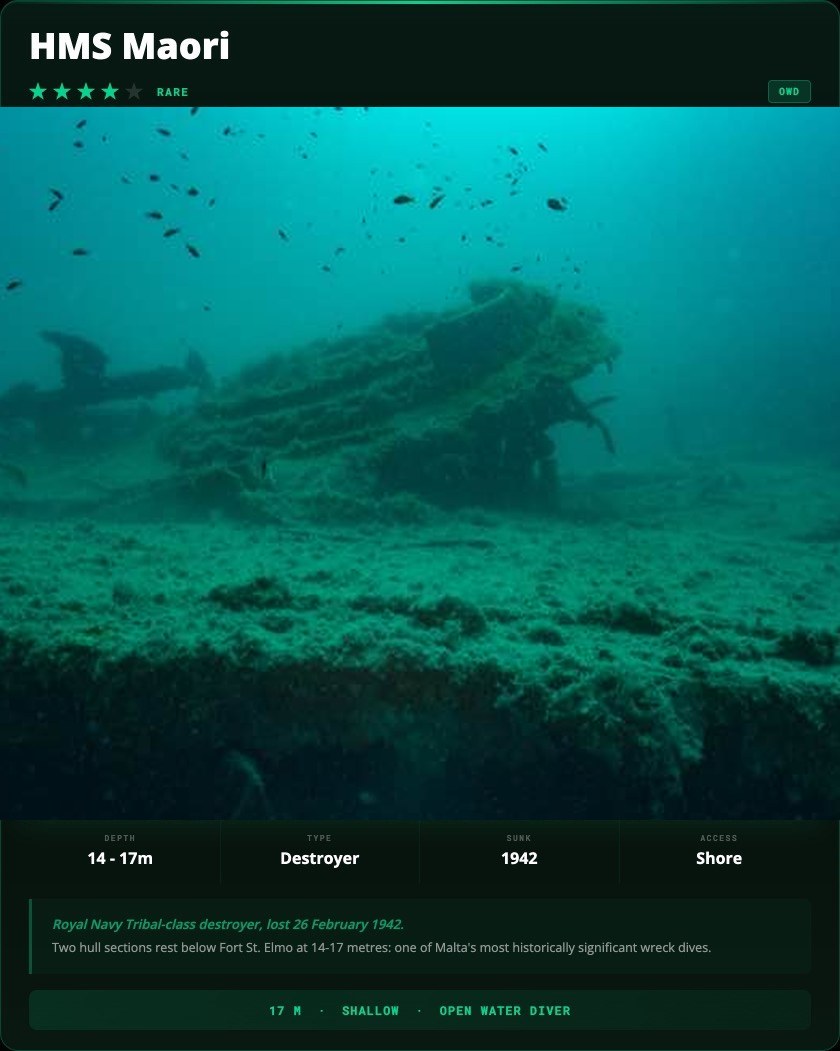
A Royal Navy Tribal-class destroyer lost to Axis bombs on 12 February 1942. Two hull sections rest below Fort St. Elmo at 14–16 metres: one of Malta's most historically significant wreck dives.

35°54'07"N · 14°31'18"E  |  Fort St. Elmo, Valletta

16m
Max Depth
14m
Deck Level
115m
Ship Length
10–20m
Visibility
OW
Min Cert
16–27°
Temp
16m
Max Depth
14m
Deck
115m
Ship Length
10–20m
Visibility
OW
Min Cert
Both
Boat/Shore
Site Profile

History & Background

  • 1937
    Laid down and launched at Fairfield Shipbuilding & Engineering, Govan, Glasgow. One of the Royal Navy's powerful Tribal-class destroyers: 115 metres long, 1,870 tons displacement, armed with eight 4.7″ guns and quadruple torpedo tubes.
  • 1938
    Commissioned as HMS Maori (F24) in January 1938. Named for the indigenous Polynesian people of New Zealand, following the Tribal-class tradition of naming ships after indigenous peoples of Commonwealth nations.
  • 1941
    May 1941: HMS Maori played a decisive role in the hunt for the German battleship Bismarck. During the night action of 26–27 May, she fired two torpedoes, scoring at least one hit, contributing to the immobilisation of the Bismarck before her final sinking the following morning.
  • 1942
    Deployed to the Mediterranean, operating out of Malta as part of Force K. On 12 February 1942, during a heavy Axis air raid on Grand Harbour, HMS Maori was struck by bombs while at her moorings. She caught fire and sank, breaking in two as she went down.
  • 1950s
    Upper works and deck fittings were partially salvaged for scrap metal in the post-war years. The hull sections, however, were too difficult to raise and remained on the seabed below Fort St. Elmo, where they have rested ever since.
  • Today
    Protected under Malta's Cultural Heritage Act as a WWII wreck. The bow section, around 42 metres of the original hull, lies almost upright on sand at 12-16 metres off Fort St Elmo, broken and encrusted with marine life. A beginner-friendly wreck dive accessible to Open Water divers whenever conditions in St Elmo Bay are settled.

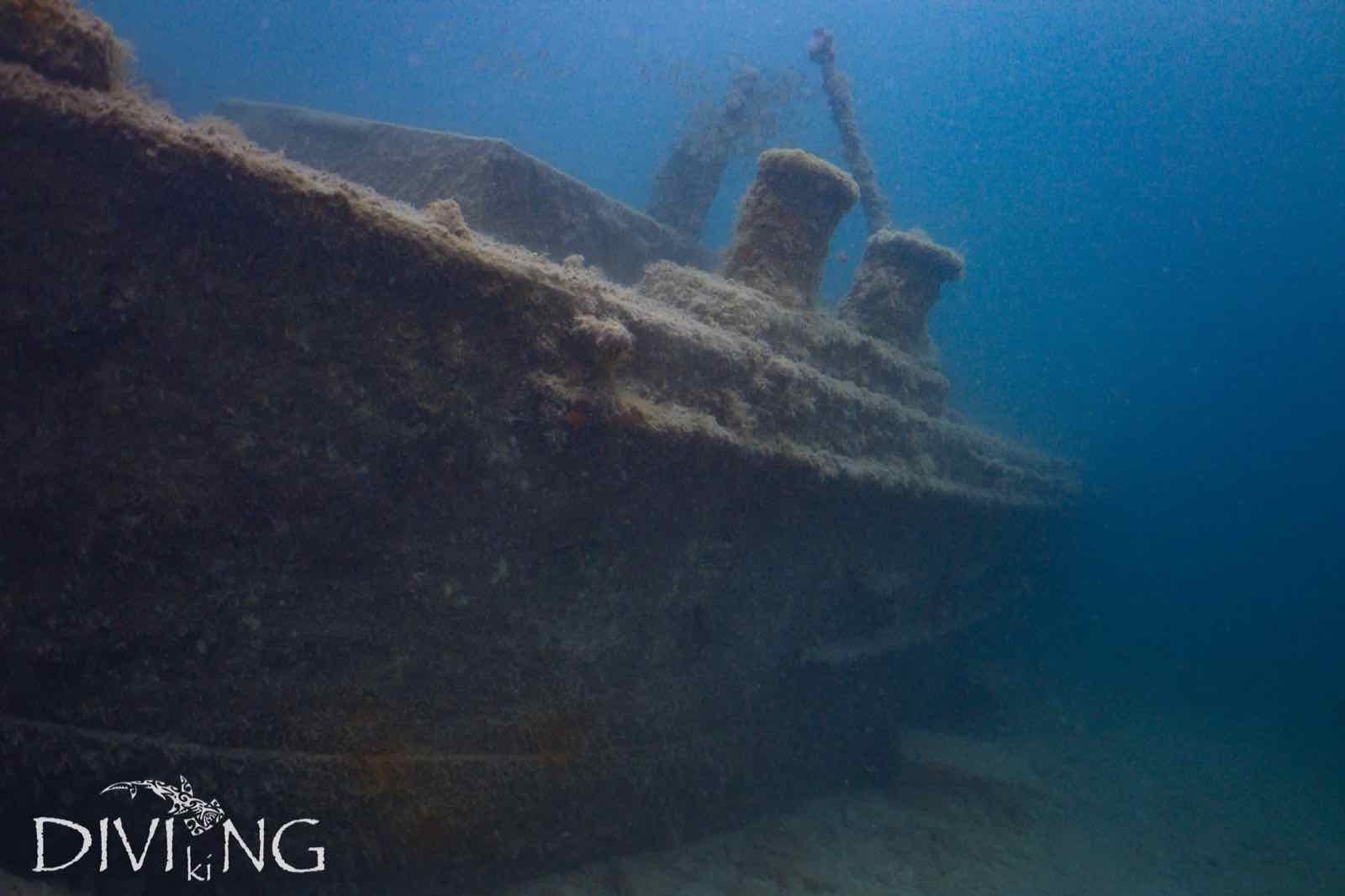
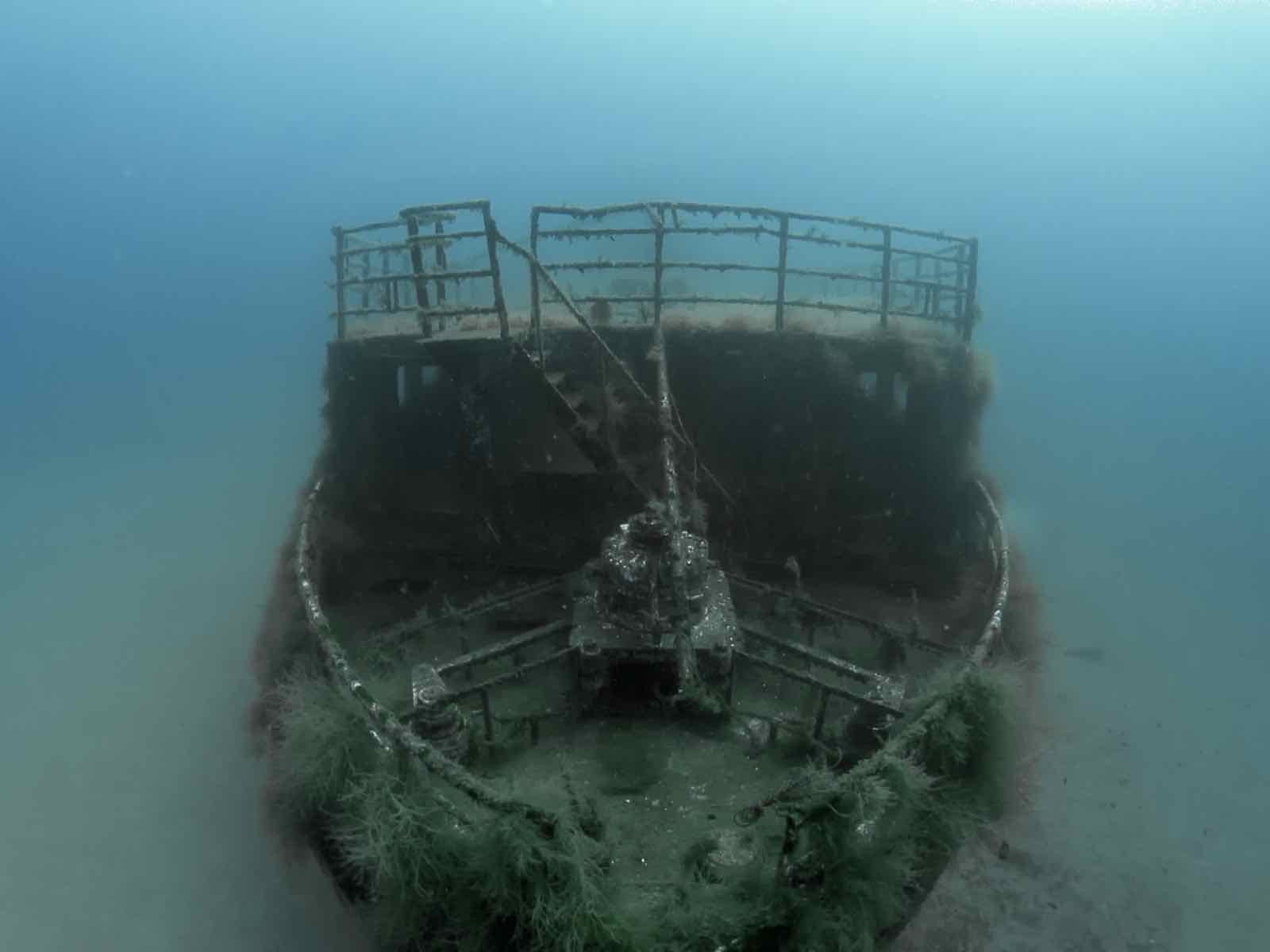
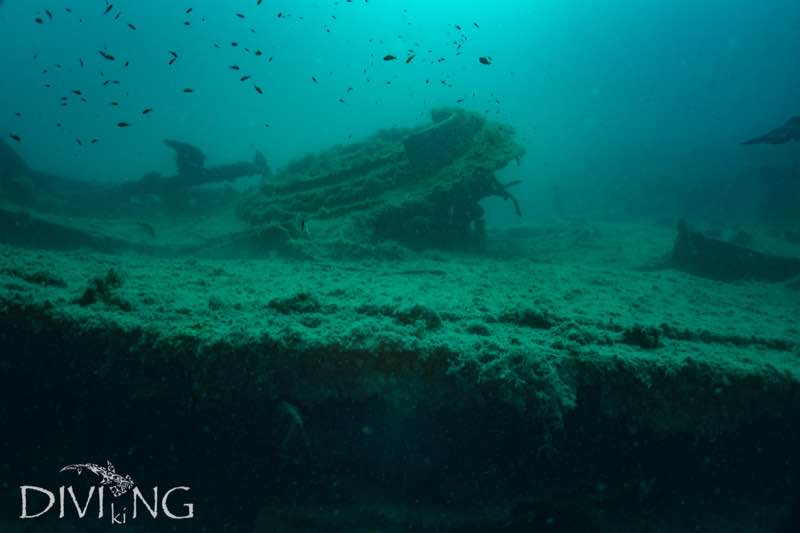
HMS Maori's bow section, about 42 metres of the original hull, rests below the towering bastions of Fort St Elmo where Marsamxett Harbour meets the open sea. The wreck broke in two during scuttling and now tilts slightly to port: hull plating is partially intact, the gun deck silted but recognisable, and the forward gun bases still visible. The stern was abandoned in deep water during the 1945 tow and is not part of this dive. The bow sits in cleaner, more open water than most Maltese harbour wrecks, offering visibility of 10-20 metres. Grouper and barracuda are resident. One of very few Maltese wrecks accessible as both a shore and boat dive.

HMS MAORI DEPTH PROFILE (BOW SECTION) SURFACE SAFE ZONE 0m 5m 10m 14m 16m 20m Deck 14m Keel 16m 4.7″ gun Break

What You Might See

Species commonly encountered at this site, based on depth and habitat. Click any card to read the full species guide.

Diving Conditions

When to Dive

Season Conditions Temp Vis Rating
Jan – Mar Cold, clear water. Swell can affect the boat entry but visibility is excellent in winter. Less boat traffic. Drysuit recommended. 14–16°C 15–20m Good
Apr – Jun Water warming. Excellent conditions. Spring plankton bloom can reduce visibility briefly in May. Best months for underwater photography. 17–22°C 12–20m Peak
Jul – Sep Warm water, calm seas. Best for new divers and families. Visibility consistently excellent. Shore entry particularly easy in flat summer conditions. 24–27°C 15–20m Peak
Oct – Dec Cooling water, occasional autumn swell. Visibility generally good. Fewer visitors: often the best time for uncrowded wreck photography. 17–24°C 12–18m Good
Average Visibility
Jan – Mar
17m
Apr – Jun
15m
Jul – Sep
18m
Oct – Dec
14m

Site Conditions

Unlike the silt-heavy harbour wrecks, HMS Maori sits in comparatively open water at the entrance to Marsamxett Harbour. Visibility is consistently excellent by Maltese standards: 10 to 20 metres year-round. A mild harbour current can run parallel to the Fort St. Elmo breakwater but is rarely strong enough to affect the dive. Check conditions with diveshack before arrival. The site can be done as either a shore dive from the rocks below the fort or as a boat dive from Sliema.

Entry

Shore entry from the rocky foreshore below Fort St. Elmo: requires careful navigation to the water's edge. Alternatively, diveshack RIB from Sliema (approximately 20 minutes). Boat entry is recommended for first-time visitors to the site.

Current

A mild harbour current runs along the breakwater at times. It is rarely strong, but can affect buoyancy control near the bow. diveshack guides will assess conditions before entry.

Depth Profile

Both sections of the wreck lie at 14–17m, making this a relaxed dive with ample no-decompression time. No-deco time at 17m on air is approximately 75 minutes, well beyond the time needed to explore both sections. Nitrox is not necessary but extends comfort time.

Safety & Requirements

Before You Dive

Open Water

Certification

Open Water minimum. The wreck lies entirely between 14 and 17 metres, well within OW limits. No prior wreck experience is required for the guided tour. Advanced divers can explore further from the guide with appropriate experience. No solo diving.

Access

Shore & Boat Access

Shore access requires careful navigation over the rocky foreshore below Fort St. Elmo. Suitable footwear is essential: there are no steps, only flat rock. Boat access via diveshack RIB is easier and recommended for all divers carrying heavy equipment. diveshack arranges both options.

Penetration

Open Wreck

The Maori is an open wreck: there are no enclosed spaces requiring a torch to navigate. Hull openings are large and well-lit. However, a torch is strongly recommended for exploring hull cavities and for marine life photography. No ceiling diving is required.

Current

Harbour Current

A mild current occasionally runs along the breakwater face. If present, enter from the upstream side and plan an up-current return. diveshack guides carry DSMBs (delayed surface marker buoys) and will assess current before all dives. Do not free-surface swim in an active current.

Gas Planning

Gas & NDL

At 17m, no-decompression time on air exceeds 75 minutes, far more than needed for a full exploration of both wreck sections. Nitrox 32% is available from diveshack and is recommended for divers who wish to make multiple dives in the same day.

Emergency

Emergency Contacts

Mater Dei Hospital hyperbaric chamber, Msida, approximately 10 minutes by road from Valletta. Emergency: 112. DAN Europe: +39 06 4211 5685. diveshack carries full first aid and oxygen equipment on all boat dives.

Book This Dive

Dive the HMS Maori with diveshack

One of the most historically significant wreck dives in the Mediterranean: the ship that helped sink the Bismarck. diveshack runs guided RIB dives to the Maori from our Sliema base, with shore dive options for experienced divers who prefer a self-contained approach.

Departs Sliema (RIB, ~20 min) or Fort St. Elmo (shore)
Duration Approx. 50–60 min dive + briefing
Group Size Max 5 divers per guide
Cert. Required Open Water (any agency)
Includes Guide, weights, site briefing, O2 kit
Nitrox Available on request (+€5)

Request a Date

Also in Malta

More Wreck Dives